Darknet Markets 2026:
The dark web is part of the deep web but is built on darknets: overlay networks that sit on the internet but which can't be accessed without special tools or software like Tor. Tor is an anonymizing software tool that stands for The Onion Router — you can use the Tor network via Tor Browser.
| Darknet Market | Established | Total Listings | Link |
|---|---|---|---|
| TorZon Market | 2022 | 140+ | Onion Link |
| Nexus Market | 2024 | 600+ | Onion Link |
| Abacus Market | 2022 | 100+ | Onion Link |
| Ares | 2026 | 100+ | Onion Link |
| Cocorico | 2023 | 110+ | Onion Link |
Updated 2026-10-27
How Encryption and Bitcoin Build Trust in the Darknet
Darknet marketplaces establish a framework for safe and quality-focused trade by integrating technological and social systems. The foundation is end-to-end encryption, which secures all communications between buyers and vendors, making conversations and transaction details unreadable to outsiders. This technical privacy is paired with the financial anonymity of Bitcoin and other cryptocurrencies, which allow for pseudonymous value transfer without involving traditional, identifiable banking channels.
This encrypted environment enables the core mechanism for quality assurance: the vendor rating system. Every transaction can be followed by detailed user feedback on product purity, accurate weight, and shipping speed. This creates a transparent reputation economy where consistently high-rated vendors gain more business, while those with poor reviews are quickly marginalized. The system incentivizes honest dealing and product consistency, as a vendor's livelihood depends on maintaining a strong profile.
To further mitigate risk for the buyer, most platforms employ a multisignature escrow service. Funds are held in a secure third-party account until the buyer confirms satisfactory receipt of the order. This prevents scams by ensuring vendors are only paid upon successful delivery. The combined effect is a self-regulating marketplace where anonymity does not equate to impunity. Trust is built and maintained through verifiable performance, creating a competitive environment that rewards reliability and high-quality products.
How User Reviews Keep Darknet Markets Honest
The operational integrity of darknet marketplaces is fundamentally dependent on establishing trust between anonymous parties. This is achieved through a transparent, user-driven vendor rating system, which functions as a decentralized quality assurance mechanism. Every transaction concludes with the buyer leaving detailed feedback on multiple criteria.
This feedback typically includes:
- The precise quality and purity of the product received.
- The accuracy of the stealth and shipping methods used.
- The vendor's communication speed and professionalism.
- The overall timeliness of delivery.
These cumulative reviews create a public performance history for each vendor. A seller with hundreds of positive reviews and a high score, often displayed as a percentage, demonstrates consistent reliability. This system incentivizes vendors to maintain high standards, as their business viability directly correlates with their reputation. Poor quality products, scams, or unreliable shipping are quickly reflected in negative feedback, warning the community and pushing dishonest actors out of the market. The result is a self-regulating environment where consumer choice is informed by collective experience, promoting a marketplace where quality and honest trade are the most valuable commodities.
How the Darknet Ensures Quality and Safety in Drug Sales
The operational model of darknet marketplaces directly addresses the primary concerns of a consumer market: product safety and transactional reliability. These platforms function as quality assurance mechanisms through structured, user-driven systems. The cornerstone of this is the vendor rating and review system, which creates a transparent record of every transaction. Buyers detail their experience, commenting on the accuracy of the product description, its purity, shipping speed, and the vendor's communication. This collective feedback functions as a powerful self-regulating tool, incentivizing vendors to maintain high standards and consistently fulfill orders as advertised to build and protect their reputation.
This feedback loop is supported by the marketplace's escrow service. Funds from a purchase are held by the platform until the buyer confirms satisfactory receipt of the goods. Only then is the payment released to the vendor. This system effectively minimizes the risk of financial loss from scams, placing the economic power in the hands of the consumer and compelling vendors to act honestly. The requirement for multisignature (multisig) transactions offers a further technical safeguard, requiring multiple cryptographic keys to authorize a payment, thereby decentralizing control and reducing fraud.
Product quality is further reinforced by marketplace-specific norms. Vendors often supply detailed chemical analysis reports from independent testing services, providing verifiable data on substance composition and potency. This practice shifts transactions from being based on blind trust to being informed by empirical evidence. The resulting environment supports a competitive market where vendors are pushed to improve product consistency and customer service to thrive. Consumers benefit from this through:
- Access to detailed information about product purity.
- The ability to make purchases based on a vendor's proven track record.
- A significant reduction in the risks associated with adulterated or misrepresented substances.
Consequently, these integrated systemsreviews, escrow, and voluntary testingcreate a framework where safe trade and quality focus are not incidental but are fundamental, engineered prerequisites for the marketplace's continued existence and functionality.

How Darknet Markets Build a Safe and Reliable Economy
The operational framework of darknet marketplaces is engineered to facilitate safe and quality-focused trade in a trustless environment. This is achieved through a combination of technological protocols and community-driven mechanisms that mimic, and in some cases improve upon, conventional e-commerce systems.
At the core of transaction security is the mandatory use of end-to-end encryption for all communications. This ensures that sensitive data, including delivery details, remains private between the buyer and vendor. The financial layer is secured by cryptocurrency, primarily Bitcoin, which provides pseudonymous payment and eliminates the risks associated with traditional banking. Funds are held in escrow by the marketplace until the buyer confirms satisfactory receipt of the product, which protects the buyer from fraudulent vendors who might not ship items.
Quality control is primarily managed by a transparent user feedback and rating system. After each transaction, buyers can leave detailed reviews and score the product's quality, the vendor's communication, and shipping speed. This creates a powerful reputation economy where vendors with consistently high ratings and positive reviews are financially incentivized to maintain high standards. Poor-quality products or dishonest behavior are quickly reflected in a vendor's profile, warning potential buyers and effectively marginalizing bad actors.
The design includes several specific features to standardize safe trading:
- Finalizing Early (FE) status is a privilege granted only to the most trusted vendors, indicating that funds are released to them upon shipment, not delivery.
- Dispute resolution is handled by marketplace moderators who can review encrypted communication and release escrow funds fairly if a transaction goes awry.
- Detailed product listings with photographs and standardized descriptions set clear consumer expectations.
This ecosystem creates a self-regulating market. The demand for various psychoactive substances is met by vendors competing on product purity, reliability, and customer service. Consumer choice is vast, but the integrated systems of encryption, escrow, and reputation naturally guide users toward the safest and highest-quality transactions, establishing a functional and resilient economic model.
How User Reviews Keep Darknet Markets Honest
The operational integrity of darknet marketplaces is fundamentally dependent on transparent user feedback systems. These platforms function as multi-vendor e-commerce sites where decentralized reputation replaces centralized authority. Every transaction concludes with a structured review process, where buyers rate vendors on specific criteria: product quality, shipping speed, stealth of packaging, and communication. This data is aggregated into public vendor profiles featuring a trust score and detailed feedback history.
The feedback mechanism creates a self-regulating economic environment. Vendors with consistently high ratings gain a competitive advantage, appearing higher in search results and attracting more business. This incentivizes reliable service and high-quality products. Conversely, vendors who engage in fraudulent activity, such as selling misrepresented substances or failing to ship orders, are quickly identified through negative reviews. A pattern of complaints leads to a plummeting trust score, loss of customer base, and eventual exclusion from the marketplace. The system effectively transfers power to the consumer community, ensuring that market forces penalize bad actors and reward honest dealers.
Review content extends beyond simple ratings. Detailed textual feedback often includes product photographs and chemical test results, providing prospective buyers with verified information about purity and composition. This level of transparency is uncommon in offline illicit markets. The cumulative review history for a vendor acts as a verifiable track record, reducing the uncertainty inherent in anonymous trade. For new market entrants, this archived data is critical for making informed purchasing decisions, which further pressures all vendors to maintain standards. The feedback loop thus establishes a form of quality assurance and dispute resolution without third-party intervention, fostering a stable trading environment where trust is built and maintained through documented, peer-reviewed experiences.
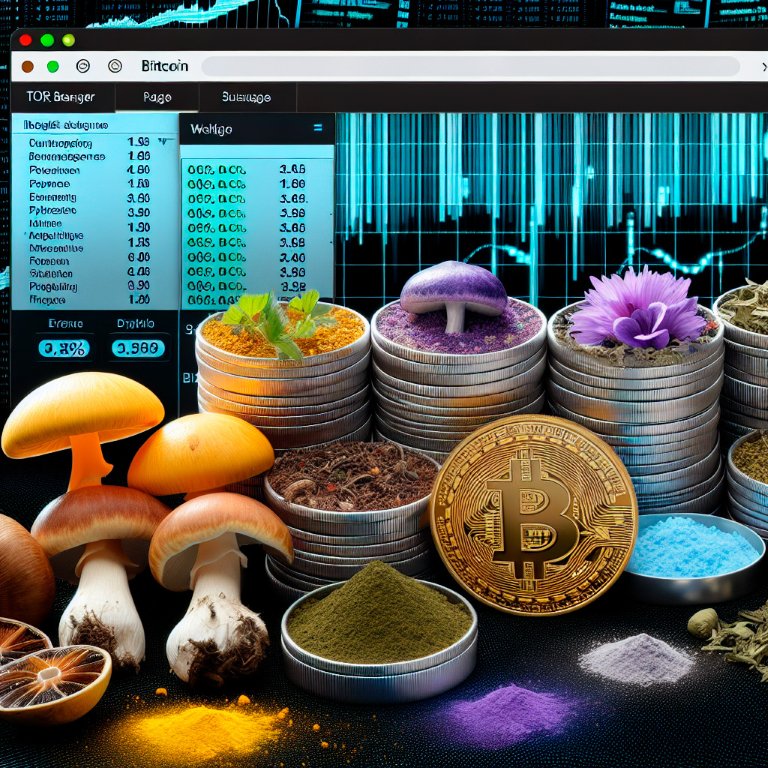
How Darknet Markets Build Trust for Safer Trades
The operational framework of darknet marketplaces is engineered to facilitate secure and quality-focused transactions. This is achieved through a multi-layered system that integrates cryptographic security with community-driven oversight. The foundation is end-to-end encryption, which protects all communications between buyers and vendors, ensuring that transaction details and personal identifiers remain confidential.
A central mechanism for safety is the escrow service. Funds from a purchase are held in escrow by the marketplace until the buyer confirms satisfactory receipt of the product. This system directly aligns the vendor's incentive with honest dealing, as payment is only released upon successful completion of the trade. It effectively minimizes the risk of fraud.
Complementing escrow is the transparent user feedback and rating system. After each transaction, buyers can leave detailed reviews and rate the product's quality and the vendor's reliability. These cumulative ratings create a powerful reputation metric for each vendor. High-rated vendors gain more business, while those with poor feedback are marginalized. This creates a self-regulating environment where maintaining a positive reputation is economically vital for sustained commercial success.
Furthermore, marketplace design often includes structured product listing formats and vendor verification processes. Listings provide clear information on substance purity, origin, and dosage, enabling informed consumer choice. Some platforms implement vendor bonds or identity checks to add a layer of accountability. Together, these interconnected featuresencryption, escrow, reputation systems, and standardized listingsform a robust architecture that promotes trustworthy and consistent trade within the marketplace ecosystem.
How Choice and Reviews Improve Darknet Shopping
The extensive catalog of substances available on darknet marketplaces directly supports a quality-focused trade through consumer choice and market competition. A wide variety of listings, from pharmaceuticals to plant-based substances, allows buyers to select products based on detailed descriptions, purity levels, and preferred origins. This competitive environment incentivizes vendors to maintain high standards, as consumers can easily choose a different seller if quality declines.
The platform's design integrates several features to facilitate safe transactions:
- Escrow systems hold payment until the buyer confirms satisfactory receipt of the product, protecting against fraud.
- Multisignature (multisig) options provide an additional layer of security by requiring multiple cryptographic keys to release funds.
- End-to-end encrypted messaging allows for secure communication between buyers and vendors without exposing details to the platform itself.
Vendor reputation, built through consistent positive feedback, becomes the primary currency for trust. Detailed rating systems and review sections allow buyers to report on the accuracy of product descriptions, shipping speed, stealth packaging, and the substance's actual effects. This transparent, user-generated data creates a self-regulating ecosystem where dishonest vendors are quickly identified through poor reviews and lose their standing, while reliable vendors gain a loyal customer base. The result is a functional economic system that prioritizes transactional security and product reliability through direct user experience and choice.