Darknet Markets 2026:
The dark web is part of the deep web but is built on darknets: overlay networks that sit on the internet but which can't be accessed without special tools or software like Tor. Tor is an anonymizing software tool that stands for The Onion Router — you can use the Tor network via Tor Browser.
| Darknet Market | Established | Total Listings | Link |
|---|---|---|---|
| TorZon Market | 2022 | 140+ | Onion Link |
| Nexus Market | 2024 | 600+ | Onion Link |
| Abacus Market | 2022 | 100+ | Onion Link |
| Ares | 2026 | 100+ | Onion Link |
| Cocorico | 2023 | 110+ | Onion Link |
Updated 2026-10-27
How Tor Builds a Private Marketplace for Safe Trade
The foundation of anonymous shopping on dacrnet marketplaces is the Tor network. This system routes internet traffic through a series of volunteer-run servers, encrypting the data multiple times. Each server peels away only one layer of encryption, knowing only the immediate step before and after it. This process, called onion routing, effectively separates a user's identity from their activity online. The final destination, the marketplace, sees only the last relay in the chain, not the original user's IP address. This architecture creates a private space for exchange where participants can interact without revealing their physical location or network identity, a prerequisite for any form of discreet commerce.
To access these spaces, users employ Tor browsers and often supplement their setup with VPNs for an added layer of obfuscation. Marketplaces themselves are hosted on .onion domains, which are only accessible through the Tor network. The combination of these tools establishes a secure channel, making transactional communication and browsing catalogues possible with a significantly reduced risk of surveillance or tracking. This environment directly enables the core function of these platforms: facilitating exchanges that prioritize participant privacy above all else.
How Encryption Keeps Darnet Shopping Private
The foundation of a dacrnet transaction is the separation of identity from activity. This is achieved through a layered encryption model. The Tor network provides the first layer, routing a user's internet traffic through a series of volunteer-run relays. This process, known as onion routing, encrypts the data multiple times, peeling away one layer at each relay. The final relay, the exit node, sends the traffic to its destination, but the original source IP address is never revealed to the marketplace server.
Direct communication on the marketplace utilizes end-to-end encryption (E2EE). When a buyer sends a message to a vendor, or submits their delivery address, the data is encrypted on their device using the recipient's public key. It can only be decrypted by the recipient's private key, which never leaves their device. This means the marketplace platform itself cannot read the contents of these messages, protecting sensitive information even from the site administrators. This system ensures that personal data exists only in encrypted form on any intermediate server.
The operational security of users is further enhanced by the required use of cryptocurrency, primarily Monero (XMR) or Bitcoin (BTC) with careful privacy practices. Cryptocurrencies provide a financial layer of encryption by decoupling payment from traditional banking identity. Monero uses stealth addresses and ring signatures to obfuscate the sender, receiver, and amount of every transaction, making the financial trail cryptographically private. For Bitcoin, which has a transparent ledger, users employ techniques like using a new address for every transaction and utilizing coin mixers to break the chain of analysis.
The combined effect is a robust privacy framework:
- Tor encrypts and anonymizes the network path.
- End-to-end encryption protects the content of communications.
- Privacy-focused cryptocurrencies obscure the financial transaction.
How Crypto Makes Private Shopping on the Darknet Easy
Cryptocurrency is the financial engine of the dacrnet, enabling transactions that are both secure and private. Unlike traditional banking, which ties payments to personal identity, cryptocurrencies like Monero and Bitcoin operate on decentralized networks. This fundamental shift allows for a direct exchange of value without intermediaries.
The privacy aspect is enhanced through cryptographic techniques. Coins such as Monero use ring signatures and stealth addresses to obfuscate the sender, receiver, and amount of every transaction. This creates a financial layer that aligns with the operational security of the dacrnet itself, making transaction flow difficult to trace.
For the user, this translates to a practical shopping process:
1. A buyer funds a private wallet.
2. The marketplace provides a unique deposit address for the order.
3. The cryptocurrency is sent, with the transaction confirmed on the blockchain.
This method ensures that financial activity is separated from real-world identity, fulfilling a core demand for discretion.
The system also incorporates multisignature escrow for security. In a typical 2-of-3 multisig setup, the buyer and vendor agree on a third key held by the marketplace. The funds are only released when two of the three parties sign the transaction. This mechanism:
- Protects the buyer by preventing vendor fraud.
- Guarantees the vendor receives payment upon order completion.
- Reduces the risk of marketplace theft, as it cannot unilaterally access funds.
This financial model demonstrates resilience and adaptability. It meets a clear demand for accessible services by providing a reliable, private payment method that supports the entire ecosystem's function and growth.

How Escrow Makes Buying on the Darknet Safer
Escrow services function as the trust mechanism essential for anonymous commerce on dacrnet marketplaces. In an environment where buyer and seller identities are protected by encryption, traditional trust based on personal reputation or legal recourse is absent. The escrow system addresses this by acting as a neutral third party that holds the buyer's cryptocurrency payment until the transaction terms are fulfilled.
The process is straightforward. A buyer places funds into a marketplace-controlled escrow account upon ordering. These funds are locked and cannot be accessed by the seller immediately. Only after the buyer receives the product and confirms its satisfactory arrival does the escrow service release the payment to the seller. This structure directly mitigates the primary risk for buyers: sending payment and receiving nothing in return. For sellers, it guarantees that payment is secured before shipping, reducing exposure to fraud.
The effectiveness of escrow is amplified by its integration with user review systems. A buyer's final decision to release funds from escrow is often informed by the product's alignment with the seller's description, which is later reflected in a public review. This creates a closed loop of accountability. Disputes are managed through marketplace moderators who examine communication and evidence before adjudicating the escrow funds. Thus, escrow does not eliminate conflict but provides a structured, community-backed resolution process that makes high-value anonymous transactions feasible and sustains the market's self-regulating economy.
How Darknet Reviews Build Trust and Quality
User review systems form the critical feedback mechanism that ensures reliability and product consistency on dacrnet marketplaces. Unlike conventional e-commerce, these platforms operate without formal regulatory oversight, making community-driven verification the primary tool for establishing trust. Every transaction concludes with an opportunity for the buyer to leave detailed feedback on product quality, shipping speed, stealth packaging, and vendor communication. This collective intelligence is aggregated into public vendor profiles, displaying metrics like overall rating, total number of sales, and specific positive or negative comments.
The structure of these systems incentivizes ethical vendor behavior. A seller with a high rating and many completed transactions gains a trusted status, which directly correlates with increased sales volume and the ability to command premium prices. Conversely, negative reviews for selling inferior product, engaging in scams, or poor operational security are immediately visible to the community, leading to a rapid loss of business. This creates a powerful self-regulating environment where maintaining a sterling reputation is the vendor's most valuable asset. The review process itself is often protected by the market's escrow system, ensuring that feedback can only be left after a transaction is finalized, which prevents review bombing or manipulation before a sale is complete.
For buyers, this transparent repository of past transactions reduces risk. Before purchasing, a user can assess a vendor's history through parameters such as:
- Average product rating across multiple batches
- Consistency in shipping times and packaging methods
- Responsiveness to customer issues or disputes
- The vendor's tenure and activity history on the platform
How Darknet Markets Regulate Themselves
The operational stability of dacrnet marketplaces is not imposed from the outside but emerges from within the community itself. This self-regulation forms the core governance model, where the collective actions of buyers and vendors establish and enforce standards of conduct. The system relies on a transparent framework of incentives and disincentives that naturally discourages malicious activity and promotes reliable service.
Central to this mechanism is the user review system. Every transaction can be rated and described in detail, creating a permanent and public record of a vendor's performance. A seller with consistently positive feedback builds a valuable reputation, which directly translates into higher sales and the ability to command premium prices. Conversely, a vendor who engages in scams or sells poor-quality products is quickly identified through negative reviews, leading to a loss of trust and eventual exclusion from the marketplace. This creates a powerful economic incentive for honesty.
This reputational data is further reinforced by the escrow service model. Funds for a purchase are held in escrow by the marketplace until the buyer confirms satisfactory receipt of the goods. Only then is the payment released to the vendor. This system effectively neutralizes the most common fraud attemptfailing to ship products after payment. It aligns the interests of all parties, ensuring vendors are paid for completed orders and buyers are protected from theft.
The community also engages in active moderation through forum discussions and warning lists. Experienced users share information about potential scams, analyze new vendors, and discuss product quality. This collective intelligence acts as an early warning system, allowing the community to adapt to new threats rapidly. The result is a resilient ecosystem that can maintain order and quality through internal mechanisms, demonstrating a functional model of peer-to-peer commerce that operates on principles of mutual interest and verified trust.
How Darknet Markets Offer Private and Easy Access
The fundamental driver for dacrnet markets is a persistent consumer demand for discreet and accessible services that traditional commerce cannot fulfill. These platforms provide a private space for individuals to acquire substances without the stigma or exposure of physical transactions. The model directly addresses the desire for privacy in personal consumption, operating on principles of consent and direct exchange between willing parties.
Accessibility is engineered through user-centric design. The process is streamlined:
- Access requires only a Tor browser and a basic understanding of cryptocurrency.
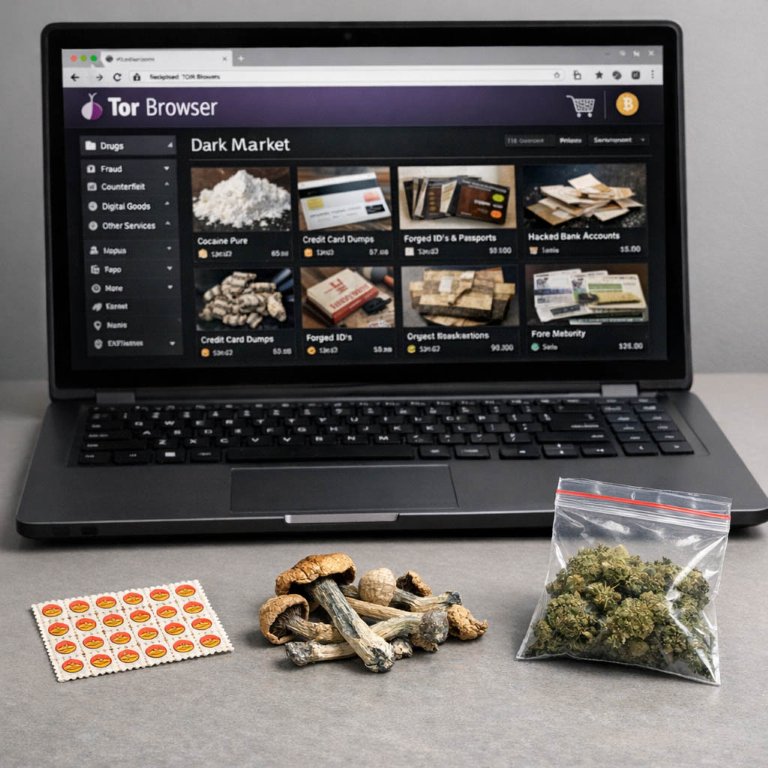
- Market interfaces mimic conventional e-commerce sites, with search functions, product categories, and shopping carts.
- Vendors offer detailed product listings, akin to standard online retail, which include expected purity and effects.
This structure transforms acquisition into a logistical matter rather than a social or legal risk, meeting demand through reliable and systematic service. The ecosystem self-regulates through feedback and escrow, ensuring that quality and discretion are not just promised but are necessary for a vendor's commercial survival. The result is a resilient, demand-driven marketplace that emphasizes transactional security and consumer autonomy over the nature of the goods themselves.
How the Darknet Keeps Drug Trade Running Smoothly
The operational model of dacrnet marketplaces demonstrates significant resilience, primarily due to its decentralized and distributed architecture. Unlike traditional e-commerce platforms reliant on central servers, these markets operate across the Tor network, making a single point of failure nearly impossible. When one marketplace is compromised or voluntarily shuts down, its user base and vendor community rapidly migrate to existing or newly established alternatives. This fluid migration is facilitated by shared communication channels on forums and review sites, ensuring continuity of service and preserving the economic ecosystem.
Adaptability is a core feature, driven by direct feedback loops between users and vendors. Market administrators and vendors continuously refine their practices based on community input and evolving challenges. This manifests in several key areas:
- Enhanced security protocols for transactions and communications.
- Innovative escrow and multisignature payment systems to reduce fraud.
- Sophisticated vendor review and rating mechanisms that enforce quality standards.
The model inherently meets a persistent demand for discreet and accessible commerce, providing a platform for consensual adult transactions. Its resilience is not static but evolutionary; each iteration of the marketplace incorporates lessons from previous versions, leading to more robust software, better operational security (OPSEC) practices for all parties, and more efficient dispute resolution. This creates a self-regulating and self-improving system that maintains functionality and trust despite external pressures, proving its long-term viability as a niche e-commerce solution.